REVIEW · ASTANA
Astana: Old City Tour, Imperialistic and Soviet Architecture
Book on GetYourGuide →Operated by Discover Astana - Guided Tours · Bookable on GetYourGuide
Soviet walls tell stories if you know where to look. This Astana Old City tour focuses on the leftover physical clues of the socialist era, from Soviet-style streetscapes to standout public art, with an expert guide shaping what you see.
I especially like the street-level art angle—mosaics, murals, and sculptures that are meant to communicate. I also like the value-bundled setup: hotel pickup and drop-off, a comfortable car, drinks, Wi-Fi, and entrance fees handled for you. One thing to consider is the pace: it’s four hours with multiple short photo and walking stops, so it’s not a sit-down museum day.
In This Review
- Key Highlights You Should Actually Care About
- Soviet-Era Astana: Why This Old City Tour Works
- 4 Hours, Hotel Pickup, and Photo-Stop Rhythm
- From Pickup to Orientation: Getting Your Bearings Fast
- Neighborhoods That Show the Soviet-to-Modern Shift
- The Real Star: Soviet Mosaics, Murals, and Sculptures
- Visits and Museums: When the Tour Goes Indoors
- Lesser-Known Stops and “Small Surprises” En Route
- Guide Quality, English or Russian, and On-the-Ground Storytelling
- Price and Value: Is $50 Fair for Four Hours?
- What to Bring (So the Tour Feels Easy, Not Hard)
- Who This Tour Suits Best
- Should You Book the Astana Old City Soviet Architecture Tour?
- FAQ
- Where is the tour pickup location?
- How long is the Astana Old City Tour?
- How much does the tour cost?
- What languages are spoken by the guide?
- Is this tour wheelchair accessible?
- What is included in the price?
- Is a meal included?
Key Highlights You Should Actually Care About
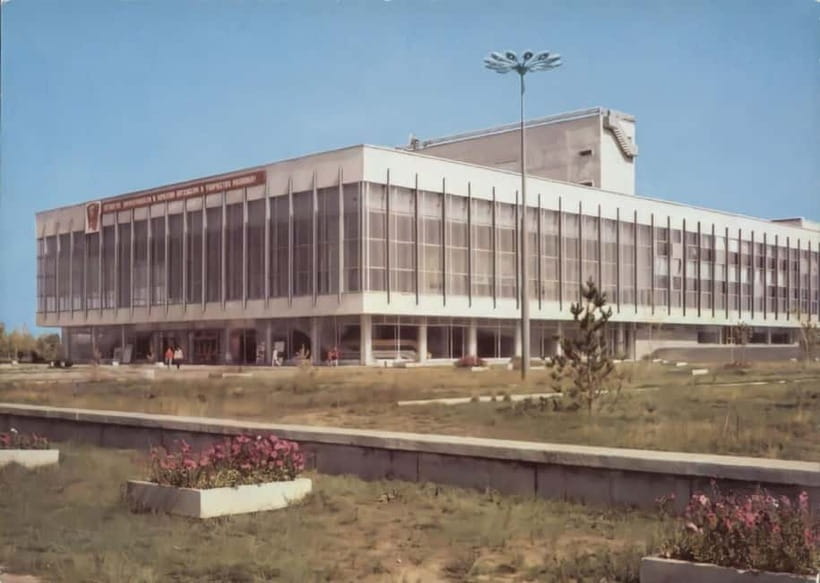
- Mosaics, murals, and sculptures that point to resilience, ideology, and everyday culture
- A guide who connects architecture to real Soviet life, using stories and explanations as you move
- Photo stops built into the route, so you can capture details without feeling rushed
- Historic neighborhoods and lesser-known spots, away from the most obvious tourist tracks
- Private group touring with hotel pickup and drop-off from Nur-Sultan
Soviet-Era Astana: Why This Old City Tour Works
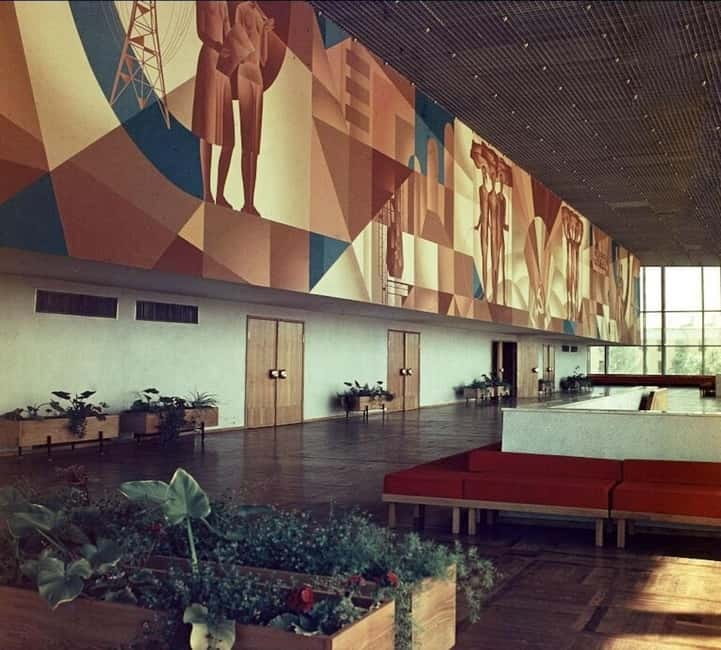
Astana’s modern face can feel clean and futuristic. But the city also carries scars and symbols from earlier decades, especially the Soviet push to shape daily life through architecture and public design. This tour is built for that exact perspective shift. Instead of treating buildings as background, you’ll read them like documents.
What makes this one click is the combination of visual details and a person who explains the meaning behind them. You’re not just looking at painted surfaces. You’ll hear what those images and forms were trying to say at the time—and how people experienced that reality on the ground. That context changes everything, even for simple street corners.
It also helps that the tour is designed around the idea of transformation: you’ll walk through areas that show how the city moved from Soviet roots toward its current identity. You’ll still be in Astana/Nur-Sultan, but you’ll see it in layers.
4 Hours, Hotel Pickup, and Photo-Stop Rhythm
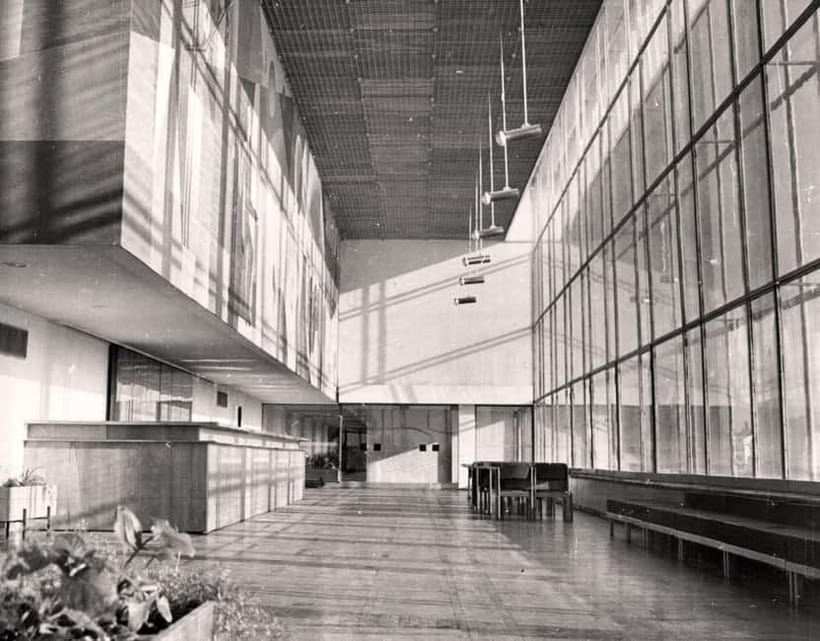
This is a 4-hour experience with a private group setup. You start with hotel pickup from Nur-Sultan, then the rhythm becomes a mix of guided walking, short photo stops, and a few scheduled visits. Those photo pauses aren’t filler. They give you a moment to step back, spot the details you’re learning, and photograph them before you move on.
From a practical standpoint, the logistics are handled. You ride in a comfortable car with air conditioning, Wi-Fi on board, and you get refreshing drinks. You’re also not stuck figuring out directions or trying to interpret Soviet signage and styles on your own. The guide leads the tempo.
Because there are multiple brief segments (some guided, some photo stops, some visits), you should come with realistic expectations. This tour works best when you’re okay with “stop, look closer, learn, move.” If you want a long, slow museum-style visit, you might feel the clock a bit.
From Pickup to Orientation: Getting Your Bearings Fast
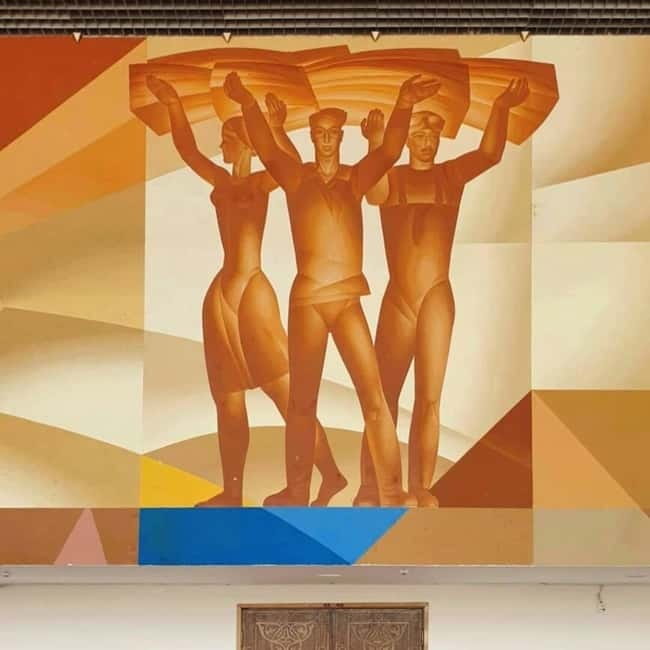
The tour begins with pickup in Nur-Sultan, and then you’re into a guided segment that acts like an on-ramp: enough time to understand what you’re looking for and how the socialist-era design language shows up in the built environment. That first part matters because Soviet-era architectural details can be easy to miss if you only know the headlines.
After that, expect an early photo stop. Then you’ll bounce between short guided moments and time for pictures. This pattern continues throughout, including additional photo breaks and guided sections. It’s a smart approach for photography and street observation, because you’re constantly aligning your eye with what the guide is pointing out.
If you’re coming straight from another plan, you’ll appreciate the convenience. You won’t need to haggle for a cab or build a route. You’re in motion, but you’re also guided.
Neighborhoods That Show the Soviet-to-Modern Shift
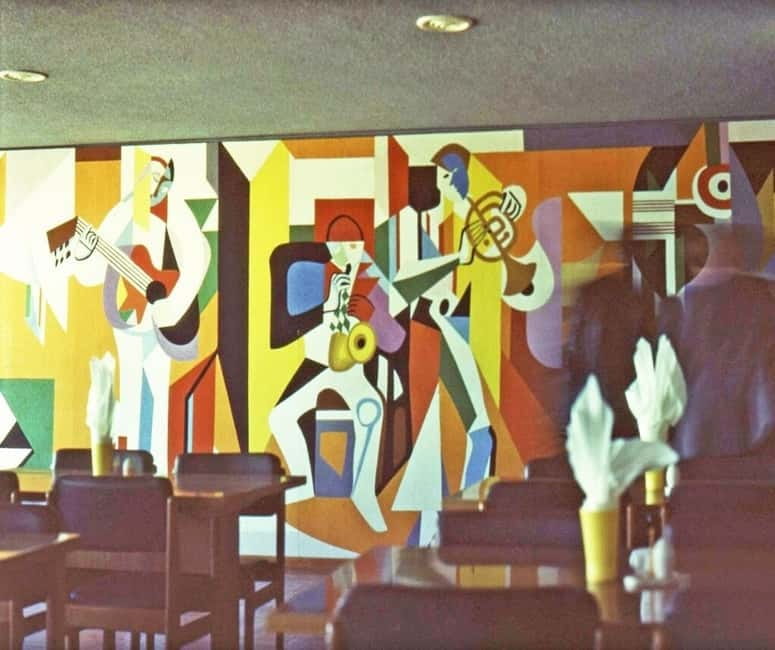
A big part of the value here is that you don’t just hit one showpiece location. You move through historic neighborhoods that reveal how the city transformed over time. That’s the difference between a “highlights tour” and a tour that helps you understand a place.
You’ll also spend time at lesser-known sites—spots that give you a glimpse of Astana’s past without forcing you into the most obvious, over-photographed corners. That’s where architecture storytelling gets more interesting. You see what remains in ordinary streets, not only where people expect a camera.
This also affects how you feel in the city. Instead of only seeing the modern capital as a finished product, you start noticing how older ideals and design habits can still shape the streetscape. Even when the city looks new, the past shows up in materials, proportions, and public-art choices.
The Real Star: Soviet Mosaics, Murals, and Sculptures
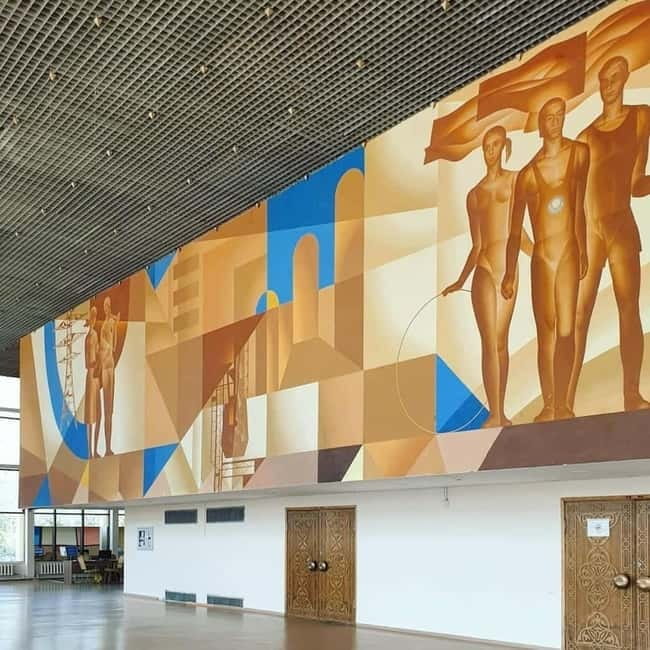
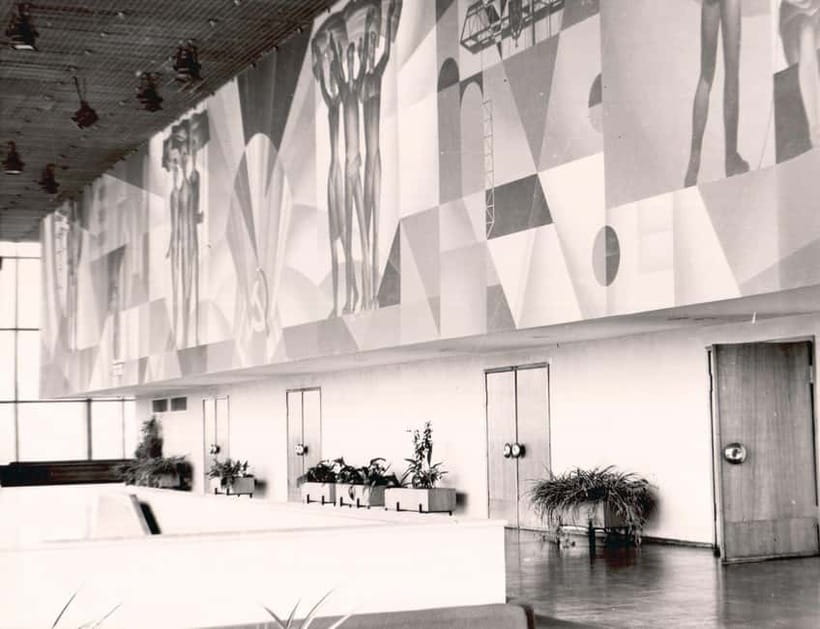
The tour leans hard into public art: Soviet-era mosaics, murals, and sculptures that tell stories. The big idea is that these aren’t random decorations. They were often meant to communicate messages—about ideology, resilience, culture, and the kind of society leaders wanted to build.
A guide who can explain significance turns these images from “I saw a wall” into “I understand why this wall looks like this.” You’ll hear what the art and architecture were doing in their original context, and you’ll get help reading symbolism while you’re still standing in front of the work.
Here’s how to make the most of this part: keep your camera ready, but don’t treat it like a constant shutter event. Instead, take one or two wider shots, then get close to the details the guide highlights. Many Soviet-era works reward patience—faces, figures, patterns, and compositions can carry meaning if you slow down for a moment.
Also, if you care about architecture beyond aesthetics, this is where your interest pays off. You’re learning how design served daily life, not just how it looked in photos.
Visits and Museums: When the Tour Goes Indoors
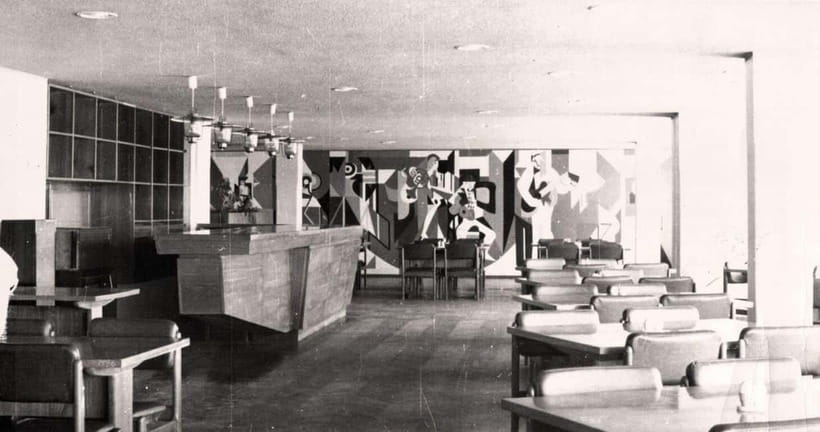
Some portions include visits where you’ll spend time with a guided explanation, and entrance fees to museums or attractions are included. That means you’re not limited to outside viewing. When the tour transitions indoors, you’ll usually get added historical framing to connect what you saw on the street to something you can interpret more deeply.
Because the tour uses short guided and visit segments across the four hours, the indoor time tends to function like a focused chapter, not a long standalone stop. That’s ideal if you prefer guidance and context over wandering alone.
One practical note: since there’s no meal included, plan for your energy. If you’re the type who gets hungry quickly after walking, bring the mindset that you may want to grab food right after. Drinks are included, but meals aren’t.
Lesser-Known Stops and “Small Surprises” En Route
One of the most praised aspects of this tour style is the level of attention the guide brings to route choices. In practice, that often means you’re shown places you wouldn’t find easily on your own, plus small moments that make the experience feel personal rather than cookie-cutter.
You’ll also get stories about life in the Soviet Union, not just architectural descriptions. That is what turns a list of objects into a real sense of time and place. When the guide mixes physical details with human context, you understand why the city looks the way it does and why people living then might have cared about these images and buildings.
And because the tour is private-group, you’re less likely to be rushed by a large crowd. The guide can tailor pacing to what people are reacting to in real time—especially useful when you’re taking photos and trying to catch the right angles.
Guide Quality, English or Russian, and On-the-Ground Storytelling
The tour is guided by an expert with live commentary in English or Russian. In real-world terms, this matters because Soviet-era visual language can be tricky without interpretation. If you get translation that feels fluent, you can focus on seeing rather than scrambling for meaning.
The name Damir appears in guide praise, and the feedback emphasizes strong English skills, friendly competence, and an ability to share personal anecdotes alongside factual history. That combination is exactly what you want in a tour like this. Architecture alone can feel cold. Stories give it temperature.
You should expect the guide to keep connecting the dots: why a piece of art looks the way it does, what its creators likely intended, and how those choices fit into the bigger Soviet approach to public life. The best part is that the guide’s explanations are meant to help you notice details yourself as you walk.
If you’re traveling with a companion, this is also a plus. You can compare photos and discuss what you learned at each stop, because the explanations are designed to make the city feel readable.
Price and Value: Is $50 Fair for Four Hours?
At $50 per person for a four-hour private-group tour, the price is best understood as a bundle. You’re paying for more than a guide. You’re also getting:
- hotel pickup and drop-off
- a comfortable car with air conditioning and Wi-Fi
- drinks during the tour
- entrance fees to museums and attractions
- a guided walk through historic neighborhoods plus photo stops
The biggest value lever here is convenience plus interpretation. If you try to recreate this on your own, you’ll face two hurdles: knowing what Soviet-era details to look for, and building a route that covers the right areas in the right order. This tour solves both, and it does it without you spending your time planning.
The only obvious trade-off is food. Meals aren’t included. If you’re taking this as a daytime activity, you’ll want to eat before or after. Also, the tour’s structure prioritizes movement and observation over long sit-down museum time, so keep your expectations aligned with that.
What to Bring (So the Tour Feels Easy, Not Hard)
You’ll be walking and photographing, so pack for comfort. The essentials are simple:
- comfortable shoes
- a camera (or a phone with enough storage)
- weather-appropriate clothing
Also, if it’s cold or windy, dress for that. Soviet-era outdoor art means you’ll stand and look for a few minutes at a time. If you’re comfortable, you’ll notice more.
Who This Tour Suits Best
This is a strong pick if you like any of the following:
- Soviet heritage and how politics shaped everyday design
- architecture details that don’t show up on postcard routes
- photography that benefits from a guide pointing out what matters
- people who want local context, not only famous landmarks
It’s also a good choice for a first taste of the city’s older layers, because you leave with a clearer way to interpret what you’ll see later on your own.
If your trip is short and you only want the newest-looking parts of Astana, you may feel the focus is too specific. But if you want the older story behind the modern skyline, this tour is made for you.
Should You Book the Astana Old City Soviet Architecture Tour?
I’d book it if you’re curious about how ideology and architecture show up in real streets, and if you want a guide who can explain the meaning behind mosaics, murals, and sculptures. The private-group format, convenient pickup, and included entrance fees make it easy to say yes.
Skip it if you’re hoping for a long, unhurried museum day or a meal-included experience. Four hours is a tight window, and the pace is designed for guided observation and photography rather than extended indoor browsing.
If you want to understand Astana’s layers, this tour is a practical way to do it without guessing.
FAQ
Where is the tour pickup location?
The guide will pick you up in Nur-Sultan, and pickup can be arranged from any point per your request.
How long is the Astana Old City Tour?
The tour lasts 4 hours.
How much does the tour cost?
The price is $50 per person.
What languages are spoken by the guide?
The live tour guide speaks English and Russian.
Is this tour wheelchair accessible?
Yes, the tour is wheelchair accessible.
What is included in the price?
Included: an expert guide, comfortable car, hotel pickup and drop-off, Wi-Fi on board, air conditioning, refreshing drinks, entrance fees to museums and attractions, and visits to historic neighborhoods.
Is a meal included?
No meal is included.