REVIEW · GRANADA
Alhambra Surroundings: History, Architecture and Legends
Book on GetYourGuide →Operated by GRANAVISION Incoming & DMC · Bookable on GetYourGuide
The Alhambra reveals its secrets outdoors. This short walk is a smart way to understand the complex without getting stuck in ticket lines, and you’ll spend real time on the Puerta de la Justicia area plus other recognizable landmarks. What I like most is that it focuses on seeing major buildings and views without an Alhambra ticket, then ties it all together with stories you can actually picture.
My favorite part is how the route explains the Alhambra’s logic: who built what, why the defenses mattered, and how the gardens and water shaped daily life. You also end up at legend-heavy spots like the wall walk and the Tower of the Seven Floors, which makes the scenery feel like it has a pulse instead of just being pretty stones. One thing to consider: because the guide works in both Spanish and English, if you’re sensitive to language bouncing (or fast delivery), it can feel a bit tiring—so set expectations and use your questions early.
You’ll start at Welcome Granavisión and finish back inside the same visitor-area hub, with comfortable pacing for about two hours on foot. Bring good shoes, because the route climbs and you’ll be standing still for views more than you might expect. If you want an Alhambra orientation that helps you decide what to see next with a ticket, this is an excellent first step.
In This Review
- Key highlights you shouldn’t skip
- Where the tour begins at Welcome Granavisión
- Value and price: what $26 really buys you
- Palace of Charles V: the surprise that changes how you read the Alhambra
- Santa María and San Francisco: where the religious layers show
- Puerta de la Justicia: the entrance that’s also a message
- Alhambra wall, Tower of the Seven Floors, and the legends you’ll carry
- Alhambra Forest and the garden logic of Hispano-Arabic design
- Plaza de los Aljibes: panoramic Granada views and a craft lesson
- Ending at Alberca Nazarí: Nasrid refinement in one place
- Guide quality: language, pace, and what to do if it feels off
- Who this tour is best for (and who should think twice)
- Should you book Alhambra Surroundings: History, Architecture and Legends?
- FAQ
- Do I need an Alhambra ticket for this tour?
- How long is the tour?
- Where do I meet the guide?
- What time does the tour start?
- What languages are offered?
- What stops are included on the route?
- What’s special about the Tower of the Seven Floors?
- Is the tour mostly outdoors?
- What should I wear?
Key highlights you shouldn’t skip
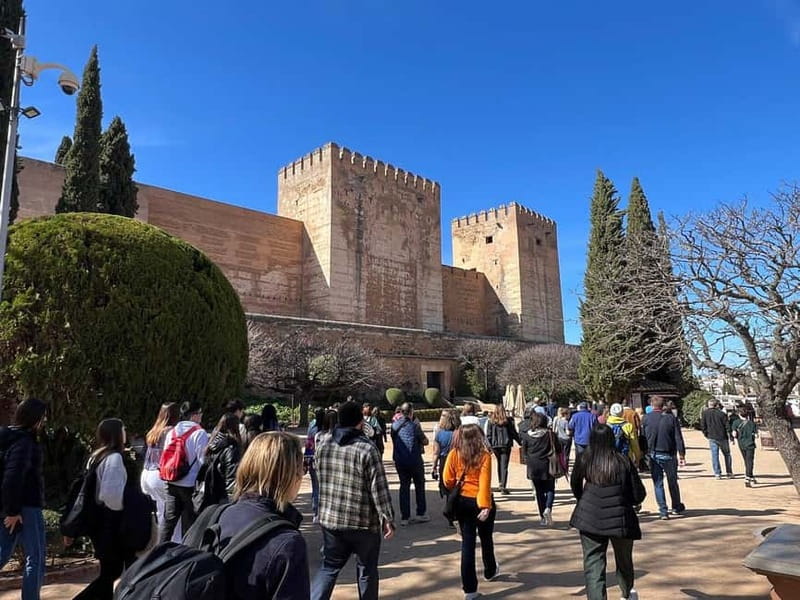
- Outside Alhambra landmarks without an entry ticket so you still get big wow moments
- Puerta de la Justicia explained as both ceremonial entrance and defensive statement
- Hispano-Arabic gardens and water treated as architecture, not decoration
- Wall walk + Tower of the Seven Floors with legends you’ll remember on the walk back to town
- Renaissance contrast at the stop for Palace of Charles V
- Panoramic Granada views from Plaza de los Aljibes, plus learning about Granada’s inlay work
Where the tour begins at Welcome Granavisión
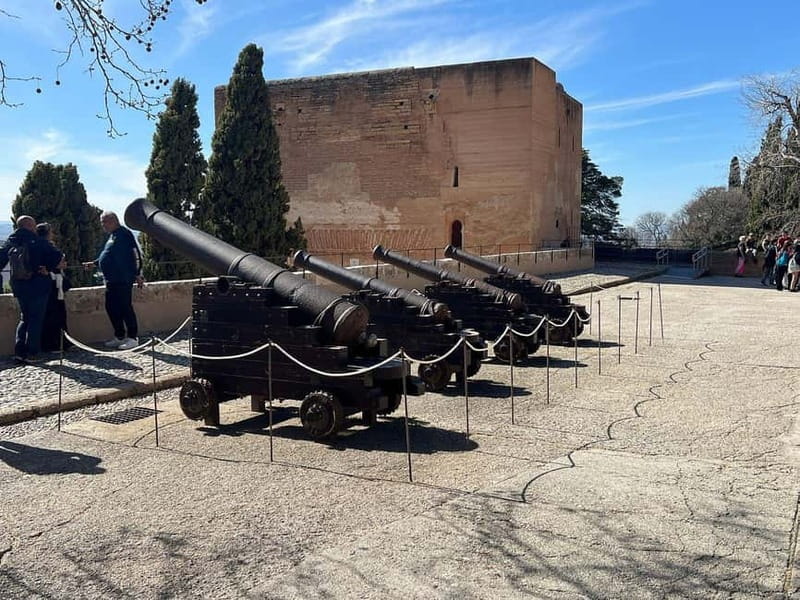
The tour starts at 10:30 am at Welcome Granavisión (Paseo de la Sabika 28, next to the Guadalupe Hotel). The key practical detail is that you don’t just meet there—you check in at the front desk inside the visitor center so staff can confirm your reservation, place you in the right group, and introduce the guide.
This matters because the first minutes set the tone. You’ll get help with timing, which makes the rest of the walk smoother, especially if you’re arriving from Granada by foot. I’d also plan to arrive a few minutes early so you’re not hunting for your group while everyone else is already headed toward the walls.
Value and price: what $26 really buys you
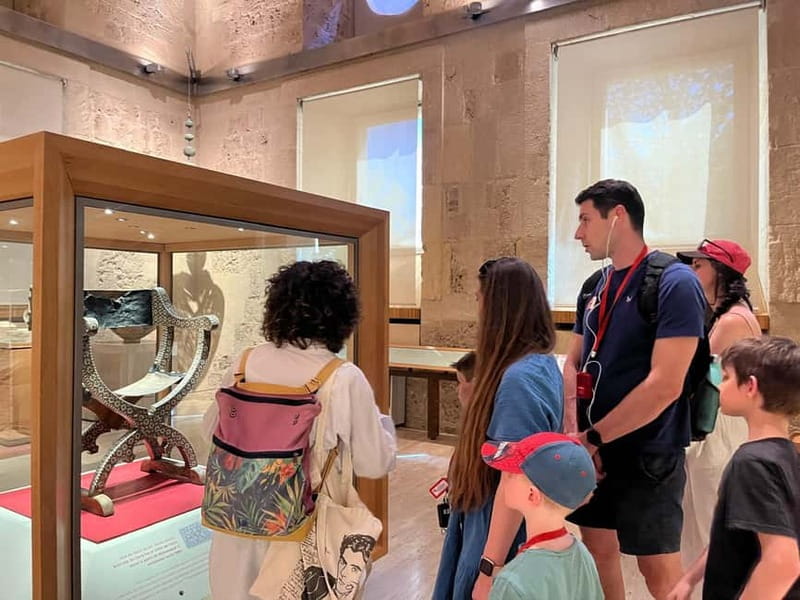
At $26 per person for a 2-hour guided outdoor walk, the value is in the focus. You aren’t buying a ticket to the Alhambra’s main interior circuit; you’re buying context—history, architectural reasoning, and legends—plus guided access to exterior areas and specific stops that don’t require an Alhambra entry ticket.
The inclusions are the real reason this can be worth it even if you later visit with a full ticket: you’ll learn what you’re looking at. The tour includes visits to Santa María church and the Convent of San Francisco, a special stop for the Palace of Charles V, a walk along the Alhambra wall toward the Tower of the Seven Floors, and the scenic ending at Alberca Nazarí. You also get a stop at the old Taberna del Polinario, panoramic views from Plaza de los Aljibes, and a quick education on Granada’s inlay work in an artisan workshop within the grounds.
The one caution is simple: if your main goal is ticket-based interior exploration—courtyards, rooms, and the palace’s full interior experience—you’ll still need a separate Alhambra ticket later. This tour is the “understand first” layer that makes the paid visit more meaningful.
Palace of Charles V: the surprise that changes how you read the Alhambra
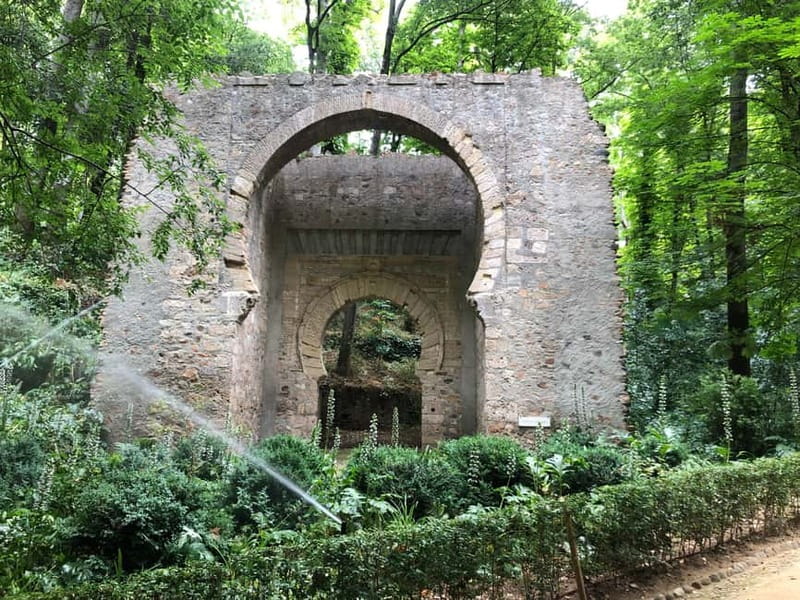
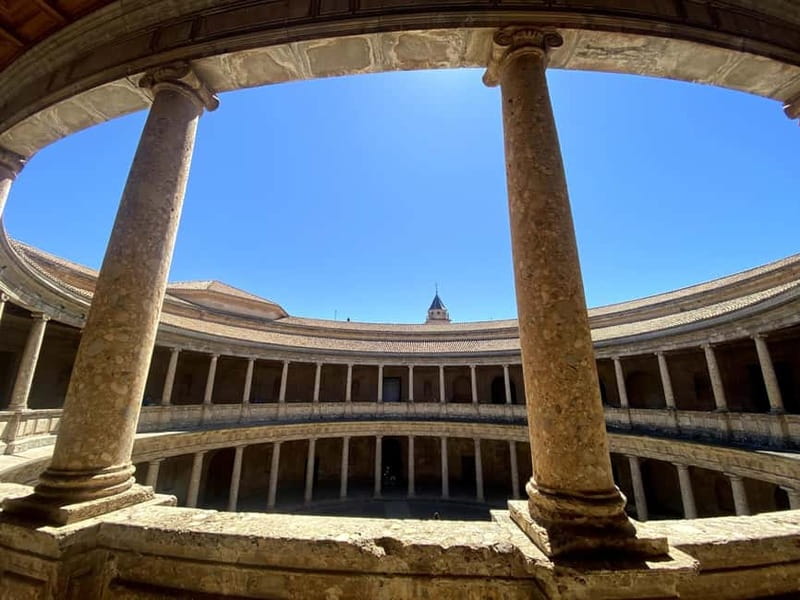
The walk’s first big anchor is the Palace of Charles V, with a guided stop that lasts about 75 minutes. That’s a long chunk for what’s technically an exterior-focused tour, which tells you what this operator thinks is important: the Renaissance presence is a major visual and historical contrast inside the Alhambra landscape.
What I like about this stop is the way it helps you stop seeing the Alhambra as one single style. The Nasrid complex is Islamic architecture with its own logic—geometry, water, gardens, defense. Then you hit Charles V’s Renaissance architecture and suddenly the site feels like a timeline you can walk through. Even if you only see it from outside during this tour, you’ll learn the why behind the stone choices and how later rulers reshaped the story.
Practical note: because this stop is lengthy, it’s where you can ask the most questions. If you’re the type who wants clarity before photos, this is a good moment to get your bearings.
Santa María and San Francisco: where the religious layers show
Next come two religious landmarks with guided time set aside for each: Santa María church (about 15 minutes) and the Convent of San Francisco (included as part of the tour). Even when you’re not going deep into interior details, these stops matter because they show how the Alhambra site wasn’t frozen in time.
You’ll see how the Alhambra’s identity shifted as Granada changed hands and religious life changed with it. The value here is not just architecture spotting—it’s understanding that a “palace complex” can become a religious and community space over centuries. That makes the rest of the route—gates, walls, gardens—feel more connected, not like random sightseeing stops stitched together.
Puerta de la Justicia: the entrance that’s also a message

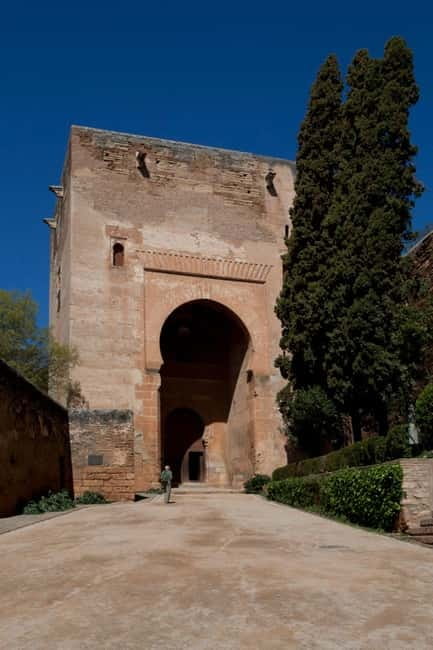
The Puerta de la Justicia is one of the tour’s central themes, with guided time included around 30 minutes. This gate isn’t just a pretty entry. It’s emblematic—designed to communicate power, order, and authority as you pass from the outside world into the Alhambra’s guarded interior sphere.
What you’ll get from the guide here is the architectural and defensive thinking behind the gate. When you understand gates as systems—where visibility, control, and movement matter—you stop viewing stonework as decoration. You start reading it like a plan.
If you like photographing “structure with meaning,” this is one of your best moments. Stand with the explanation first, then take your pictures. You’ll remember more, and your photos won’t feel as random later.
Alhambra wall, Tower of the Seven Floors, and the legends you’ll carry
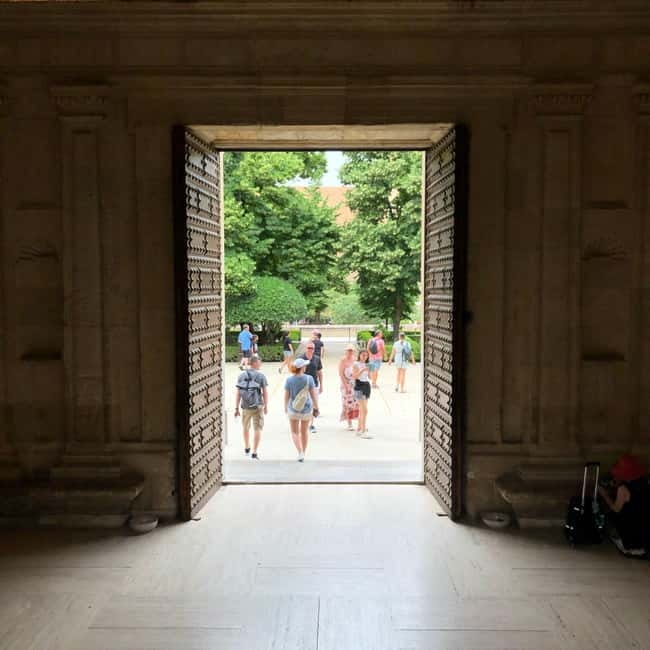
A highlight of this tour is the walk along the Alhambra wall, including the Tower of the Seven Floors, plus Alhambra legends tied to the route. The tour treats this area like a story corridor: you’ll walk while learning, rather than listen while standing still.
This is where the Alhambra can start feeling cinematic. One tower, a wall line, and a handful of legends can turn your view of the landscape into something you can imagine—someone living here, someone defending here, someone telling stories here. That’s the real point of including legends: they give you emotional context, so the architecture doesn’t stay cold.
Legend stops can be hit-or-miss on guided tours, but the structure here is set up well: you learn while you move, so even if you only catch parts of the story, you still get the atmosphere.
Alhambra Forest and the garden logic of Hispano-Arabic design
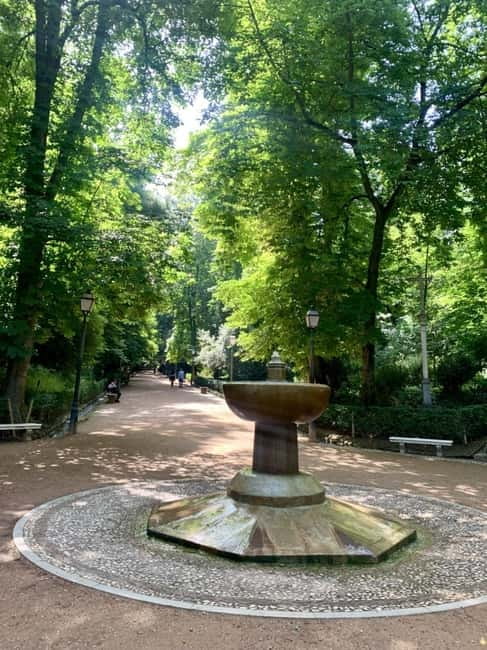
After the monuments and gates, you shift into nature with the Alhambra Forest segment (about 45 minutes). This matters because Hispano-Arabic design isn’t only about buildings; it’s also about shaping experience with vegetation, shade, and pathways.
You’ll explore the exterior gardens around the monumental complex and learn why gardens were so important in Hispano-Arabic architecture. You’ll also spend time in the natural surroundings that frame the Alhambra complex—what feels like a pause, but is actually part of the design system.
Here’s a practical way to think about it: once you grasp that gardens and water were “infrastructure” as much as beauty, you’ll start noticing the same thinking elsewhere in Granada. Your eyes change. You’ll look for how people used space, not just what they built.
Plaza de los Aljibes: panoramic Granada views and a craft lesson
The tour ends with its big visual payoff. From Plaza de los Aljibes, you’ll enjoy spectacular views of Granada (about 15 minutes guided time here). If you’re planning your photos, make sure you don’t rush this stop. The goal is to get the vista in your mind first, then capture it.
Just as importantly, this portion adds a cultural layer: you learn about Granada’s inlay work through an artisan workshop within the grounds. That’s a nice bridge between stone-and-water architecture and the smaller, hands-on craftsmanship that makes Granada feel personal.
If you’re the kind of traveler who likes to leave a place with a skill or material you can recognize back home, this craft segment gives you something tangible to look for when you’re walking through Granada’s shops later.
Ending at Alberca Nazarí: Nasrid refinement in one place
The walk concludes at Alberca Nazarí, which the tour frames as a symbol of Nasrid refinement. “Refinement” here isn’t a vague word—it’s the idea that Nasrid design aimed for harmony: form, water, and atmosphere working together.
Even at a final stop, this isn’t just a rest point. It’s a meaning point. By the time you reach Alberca Nazarí, you’ve already heard how defenses, gates, religious layers, and gardens all interact. So the ending feels like a conclusion to a theme, not just the last patch of scenery.
Guide quality: language, pace, and what to do if it feels off
This is a live, guided tour in Spanish and English. In the best cases, that’s great: you get clear storytelling in the language you understand and a guided rhythm that makes the history click.
But you should know one real-world consideration. In one account tied to this experience, someone found the tour exhausting because the guide spoke in both Spanish and English without switching in a way that felt comfortable. That’s a signal to manage your expectations: if you’re multilingual, fine. If you’re not, plan to rely on visual cues and ask questions early so you get what you need before pace and language delivery pick up.
Also, one report mentioned audio issues and the need to check whether headset devices were working. I can’t guarantee anything about your group, but it’s smart to check your hearing setup at the start. When you can hear the guide clearly, this becomes a history lesson you’ll remember.
Who this tour is best for (and who should think twice)
I’d book this if you want an Alhambra orientation without committing to a ticket for the full interior circuit on the same day. It’s especially good for first-time visitors who feel overwhelmed by the scale. The tour gives you names, themes, and story links—so when you later explore on your own, you’re not just wandering.
It also works well for people who enjoy architecture that’s explained as a system: gates as control points, gardens as experience design, towers and walls as part of a defensive and symbolic landscape. If you like legends, you’ll probably enjoy how they’re used here—not as random spooky facts, but as atmosphere and motivation to look more carefully.
Think twice if you want an inside-the-palace deep dive or you’re hoping to spend most of your time inside ticketed areas. This is an exterior and context tour. It gives you a lot, but it isn’t trying to replace a full Alhambra ticket visit.
Should you book Alhambra Surroundings: History, Architecture and Legends?
Yes, I’d recommend booking if your goal is to understand the Alhambra faster and see more meaning in what you’re looking at. For $26 and 2 hours, the best thing you’re buying is guided clarity: gate logic, garden importance, major landmark context, and legends tied to the wall route.
Book it especially if you’re juggling time. It’s a tight route that still hits major named stops like Puerta de la Justicia, the Palace of Charles V stop, and the ending at Alberca Nazarí. And because it’s designed to show outstanding buildings and views without an Alhambra ticket, it’s a smart way to make the most of a day in Granada.
One last tip: wear comfortable shoes, keep your camera ready, and ask your top question within the first stretch. If the guide is doing a great job, early questions help you follow the story as it unfolds.
FAQ
Do I need an Alhambra ticket for this tour?
No. An Alhambra entrance ticket is not included, and the tour focuses on surroundings and landmarks you can see without a ticket.
How long is the tour?
The tour lasts about 2 hours.
Where do I meet the guide?
Meet at Welcome Granavisión (Paseo de la Sabika 28), next to the Guadalupe Hotel. Check in at the front desk inside the visitor center.
What time does the tour start?
The tour starts at 10:30 am.
What languages are offered?
The live guide offers Spanish and English.
What stops are included on the route?
You’ll include visits/stops such as Santa María church, the Convent of San Francisco, a stop at the Palace of Charles V, the Justice Gate (Puerta de la Justicia), the Alhambra Forest, views from Plaza de los Aljibes, an artisan workshop focused on Granada inlay work, and a conclusion at Alberca Nazarí. You’ll also walk along the Alhambra wall toward the Tower of the Seven Floors.
What’s special about the Tower of the Seven Floors?
The tour includes legends and walking context around the Tower of the Seven Floors, helping you understand why it’s considered mysterious.
Is the tour mostly outdoors?
Yes. It’s a walking tour focused on the outside surroundings, gardens, walls, and exterior viewpoints.
What should I wear?
Wear comfortable shoes, since you’ll be walking and moving between viewpoints.