REVIEW · CASTRIES
Castries: Guided City Architecture and Castries Market Tour
Book on GetYourGuide →Operated by Visit Saint Lucia · Bookable on GetYourGuide
Castries can feel like a blur from a cruise ship. This guided architecture-and-market tour turns that blur into real street corners and tasty local finds across a tight 3-hour loop. You get city history stops around Pointe Seraphine plus landmark time at spots like La Place Carnage and Serenity Park, then you land at the open-air market with time to browse and snack. One heads-up: the quality of the history and pacing can depend a lot on your guide, so expect to ask questions if you want deeper architecture detail.
What I like is the smart mix of sights and shopping. The tour doesn’t just point at buildings; it pairs those views with time at Castries Central Market and the Vendors Arcade, where you can look for crafts, sauces, spices, and everyday Creole treats. I also like that soft drinks are included and the driving is handled for you, so you can focus on walking the market and taking photos instead of figuring out routes.
The main drawback to consider is logistics and time pressure. Meeting can be a bit tricky at the port area when many tour companies are around, and traffic can eat into sightseeing time—so this is best for people who keep their expectations flexible and don’t mind that some stops are quick photo moments.
In This Review
- Key Highlights You’ll Actually Notice
- From Cruise-Stop Chaos to a Plan in 3 Hours
- Pointe Seraphine: Architecture Views With a Street-Level Story
- Castries Central Market and Vendors Arcade: Where the Shopping Becomes the Culture
- La Place Carnage and Serenity Park: Landmarks That Anchor the Route
- What Makes This Tour Worth It: The Guide Factor
- Price and Value: Is $50 a Good Deal?
- Tips Before You Go: What to Bring and How to Stay Sane
- Who This Tour Suits Best (and Who Should Skip)
- Should You Book This Castries Market and Architecture Tour?
- FAQ
- How long is the Castries Guided City Architecture and Market Tour?
- What is included in the price?
- Is the market lunch included?
- What places will I visit during the tour?
- What language is the tour guide?
- What should I bring?
- Is this tour accessible for wheelchair users or limited mobility?
- Can I pay later and get a refund if plans change?
Key Highlights You’ll Actually Notice
- Pointe Seraphine viewpoints for quick perspective on Castries and the coastline feel
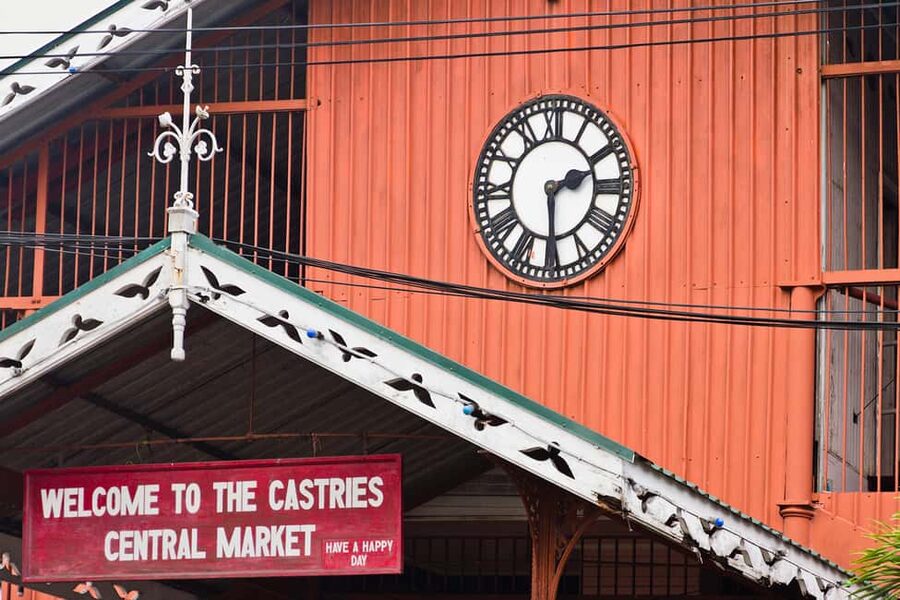
- Castries Market + Vendors Arcade for crafts, shirts, sauces, spices, and small gifts
- 19th-century architectural context delivered street-side, not in a classroom
- Landmarks that add up: La Place Carnage and Serenity Park between market time
- Guide-led shopping so you know what you’re looking at and what to buy
From Cruise-Stop Chaos to a Plan in 3 Hours

Castries is one of those places where your time can vanish if you wing it. This tour is designed to give you structure fast: pickup and drop-off, air-conditioned transport, and a live English-speaking guide so you’re not decoding everything on your own.
The total time is 3 hours, which is short on purpose. That means you’re not doing a “get your life together” day trip; you’re doing a best-of-in-a-snap route. For me, that’s the appeal. You see a handful of the city’s anchors—architecture lookouts and recognizable landmarks—then you get a real window to shop Castries Central Market without feeling rushed every five minutes.
Still, I’d plan your expectations around that tight schedule. In heavier traffic, you might spend more time in the vehicle than you’d like, and some photo stops may feel like quick hits rather than long wandering. It’s the kind of tour where you’ll enjoy it most if you’re okay with a mix of viewpoints, short explanations, and then hands-on market browsing.
Pointe Seraphine: Architecture Views With a Street-Level Story

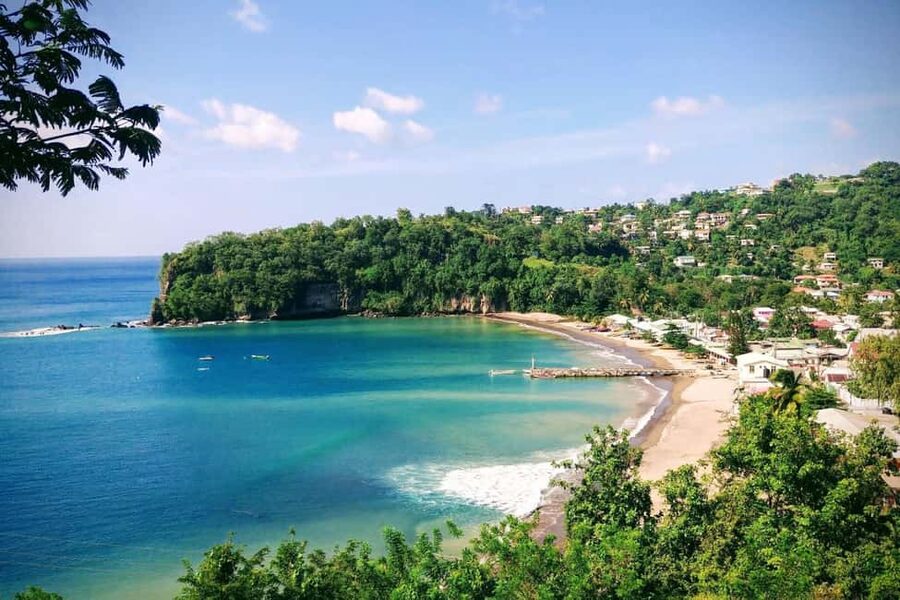
The tour’s start around Pointe Seraphine is the “okay, now I get Castries” moment. This is where the city’s layout makes sense visually. You’re positioned for those postcard-style views that help you understand where key areas sit relative to one another.
More importantly, this stop is framed as architecture sightseeing, not just sightseeing. Your guide is set up to explain the historic background of buildings you’re seeing—especially the colonial-era and 19th-century feel the city is known for. In practice, what you get can vary. One guide experience I saw described the building talk as basic. Another was praised for pointing out lesser-known landmarks and giving the history in a way that made the streets feel connected.
Here’s a practical way to handle that: if you want deeper architecture detail, ask questions early and keep them simple.
- What building style is this?
- What period is it from?
- Why is this spot important in Castries?
Good answers can turn viewpoints into something you remember. Even when explanations are shorter, the location itself does the heavy lifting—this area gives you that raised perspective you can’t get standing in a crowded market aisle.
Castries Central Market and Vendors Arcade: Where the Shopping Becomes the Culture

Then comes the part most people actually come for: the Castries Central Market experience. This is open-air shopping with a guide who helps you notice what’s worth your time, what’s locally made, and what’s a solid souvenir rather than another T-shirt you’ll never wear again.
The market isn’t just one stall. You’ll move through the Vendors Arcade and across a mix of booths where you can find:
- local craft items
- T-shirts and small trinkets
- sauces and spices
- other edible gifts you can take home
This is a tour where your guide’s value shows up in the details. A strong guide helps you understand what you’re buying—like whether a spice blend is a common Creole pantry staple or more of a special-use product. It also helps with bargaining and timing because you aren’t trying to communicate while your taxi clock is ticking.
You’ll also have the chance to stop for food. You can choose a Creole snack or lunch at your own cost, and the plan allows time at multiple food courts (the tour mentions 16 or more options). That’s not just a convenience; it’s a smart way to match your appetite. If you want something light, go snack. If you want a meal, pick a food court you can see and smell and then settle in.
My advice: come with a short shopping mindset and a spending plan. Market shopping is easy to overdo when everything looks interesting. Set a mental rule like one edible gift + one craft + one small clothing item max, and you’ll leave happier without turning your luggage into a suitcase of maybes.
La Place Carnage and Serenity Park: Landmarks That Anchor the Route

After market browsing, the tour loops through must-see Castries landmarks like La Place Carnage and Serenity Park. Think of these stops as anchors. They break up the shopping-and-street feel and give the day structure.
Even with limited time, these are useful because they’re the kinds of places where you can:
- take photos that actually show Castries beyond storefronts
- point to something recognizable later when you’re comparing notes with friends
- understand how the city sits in its own rhythm
La Place Carnage is one of those named spots that helps you build a mental map. Serenity Park adds breathing space. It’s the kind of pause that makes the earlier market noise feel worth it instead of tiring.
In other words: if you mostly want shopping, you’ll still appreciate the landmarks because they prevent your tour from feeling like a single long errand. If you mostly want history and architecture, you’ll appreciate that the city isn’t presented as a museum—it’s presented as real streets with people, everyday life, and open-air commerce.
What Makes This Tour Worth It: The Guide Factor
This tour lives and dies by the guide. That might sound harsh, but it’s also fair. The vehicle, the market route, and the landmark list are the same on paper. What changes is the storytelling, pacing, and how much the guide helps you feel confident in what you’re looking at.
I saw strong feedback tied to specific guide names and styles. For example, Albert was described as congenial and fun, and one person noted he even stopped at a good spot to enjoy a beverage when rain hit. Another experience praised Kendel for showing wonderful views and knowing Castries well, including important buildings and lesser-known landmarks. Peter was highlighted as a lovely driver and host who added personal details and took guests to places not listed in the basic description.
On the flip side, there’s also a lesson for you: if your guide’s explanations feel thin, you might have to ask more questions to get the architecture story you want. One experience noted the building explanations were as basic as just identifying a place without context. Another noted a feeling that the tour was boring or not much to see.
So here’s my practical approach if you book:
- Treat the guide as your translator of the city.
- Ask at least one question per stop.
- If you’re hungry, decide your food target early so you’re not stuck hovering between decisions.
That’s how you make a 3-hour tour feel like a win rather than a checklist.
Price and Value: Is $50 a Good Deal?

At $50 per person for a 3-hour guided loop with pickup/drop-off and transport in an air-conditioned vehicle, the value depends on what you’d otherwise do.
If you’re the type who likes structure—someone to lead, explain, and keep the day moving—this can be a good spend. You’re paying for:
- a guide to connect sights to what you’re seeing
- transportation so you don’t wrestle with getting around on short time
- soft drinks included
- time in a market where locals are selling crafts and food you’ll want help sorting through
If you’re already staying close to the market and you’re comfortable exploring on your own, you might feel this is pricey for a short city loop. One criticism basically boiled down to being able to walk to the market instead of paying for a full guided route. I understand that point. Still, the guide-led market browsing is the differentiator here—not just the fact that you’re in Castries Market.
My take: it’s worth it if your day needs saving from indecision. It’s less worth it if you plan to spend most of your time shopping anyway and you’ll happily handle landmarks by yourself with whatever photos and signs you find.
Tips Before You Go: What to Bring and How to Stay Sane
You’ll want a camera for viewpoint stops and market details. You also need cash, because the tour mentions buying snacks or lunch is at your own cost and the market involves plenty of small purchases.
Also, build in patience around meeting and timing. One person noted meeting at the port area could be unclear because the duty-free zone is large and there are many tour operators. If you’re arriving by cruise, arrive early and be ready to ask for help finding your group.
Finally, if rain is in the forecast, stay flexible. One guided experience I saw included a quick adjustment to enjoy a beverage while downpour passed. A good guide reads the weather and adapts, and that can make the experience feel thoughtful instead of stressful.
Who This Tour Suits Best (and Who Should Skip)
This tour fits best if you want:
- a guided first look at Castries architecture and viewpoints
- a focused market experience with help spotting good buys
- a practical, short activity that won’t swallow your whole day
It also helps if you like local snacks and small edible souvenirs. Market time is central here, and it’s where you can most clearly taste the place rather than just photograph it.
It’s not suitable for pregnant women, people with mobility impairments, or wheelchair users. The walking involved in market areas and the general format of city stops make it less practical for those needs.
Should You Book This Castries Market and Architecture Tour?
If you’re deciding between DIY walking and a guided loop, I’d book this when you want a guide to translate the city quickly and you plan to shop and eat at the market. The best versions of this tour are the ones where your guide makes Pointe Seraphine make sense and then helps you shop the market with confidence.
If your priority is deep, slow architecture education, or if you hate traffic and timing uncertainty, you may find the 3-hour schedule too tight. In that case, you could still enjoy Castries on your own—but you’d lose the guide-led context at the stops and the market navigation.
Bottom line: for a first visit to Castries with limited time, this is a solid way to mix views, landmarks, and local market energy. Bring cash, ask your guide questions, and treat the schedule like a helpful framework, not a promise.
FAQ
How long is the Castries Guided City Architecture and Market Tour?
The tour lasts 3 hours.
What is included in the price?
The package includes pickup and drop-off, transportation in an air-conditioned vehicle, a driver, a guide, and soft drinks.
Is the market lunch included?
No. You can enjoy a local Creole snack or lunch at Castries Market, but it’s at your own cost.
What places will I visit during the tour?
You’ll see Castries Market and the Vendors Arcade, plus sightseeing stops including Pointe Seraphine, La Place Carnage, and Serenity Park.
What language is the tour guide?
The live tour guide is available in English.
What should I bring?
Bring a camera and cash.
Is this tour accessible for wheelchair users or limited mobility?
No. It is not suitable for pregnant women, people with mobility impairments, or wheelchair users.
Can I pay later and get a refund if plans change?
Yes. You can reserve now and pay later, and you can cancel up to 24 hours in advance for a full refund.