REVIEW · MEXICO
Tlaquepaque Magic Town: Artisans, Traditions, Architecture
Book on GetYourGuide →Operated by Tours Viva Mex · Bookable on GetYourGuide
Tlaquepaque runs on color, craft, and stories. This Magic Town tour is built around artisans and Mexican traditions, with a live guide who connects the architecture and customs to what you’ll see on the street. I especially like that you get both performance moments (think mariachi and folk dancing) and practical stops like artisan galleries and a candy-tasting factory.
One heads-up: the experience is tight and time-based (about 90 minutes), so if you want to linger for long browsing runs, you’ll likely want to add extra time afterward on your own.
In This Review
- Key things I’d prioritize before you go
- Why Tlaquepaque’s “Magic Town” vibe is more than a slogan
- Meeting at the giant Tlaquepaque letters and getting your bearings fast
- Mariachi, folk dancers, and papel picado on a short, lively loop
- Two churches, one town: how class shaped worship spaces
- Inside big houses: patios, fountains, and the architecture lesson
- Independence hero’s one-night stop: a quick historical anchor
- Artisan galleries, the market area, and the Guinness record moment
- Candy factory tasting: what you’ll see and what you’ll actually sample
- The photo-and-walk rhythm ends on the main street for food and shopping
- Price and time: is $32 for about 90 minutes worth it?
- Who this tour fits best in Jalisco (and who might want a different plan)
- Should you book the Tlaquepaque Magic Town art and traditions tour?
- FAQ
- Where does the tour start?
- What is the duration of the tour?
- How much does it cost?
- What languages are the live tour guides available in?
- What does the tour include?
- Is there mariachi and folk dancing?
- Are there photo stops?
- Does the tour include access to indoor locations?
- Can I cancel and get a full refund?
Key things I’d prioritize before you go
- Mayra’s guide style: reviewers praised her for being friendly, upbeat but calm, and strong in English.
- Mariachi + folk culture on the walk: you’re not just shopping—you’re seeing the traditions in context.
- Two churches tied to class history: you’ll visit both, then understand why it mattered.
- Big houses with patios and fountains: this is where Tlaquepaque’s architecture becomes more than a backdrop.
- Candy-making viewing and tastings: you’ll watch how traditional sweets and rompope-style drink are made, then sample.
- A quick photo moment at the giant letters: it’s a fun marker for your arrival and a perfect first snapshot.
Why Tlaquepaque’s “Magic Town” vibe is more than a slogan
If you’ve been to Mexico and seen plenty of pretty town centers, you might wonder what makes Tlaquepaque earn the Magic Town label. Here, the difference is that the town’s identity shows up in layers: the colorful architecture, the artisan storefronts, and the street traditions you see while walking instead of only reading about.
This tour leans hard into what Tlaquepaque does best: turning daily life into cultural display. You’ll catch the look of papel picado, hear about local traditions, and see how art lives right in the streets and galleries. And because the tour is guided, you get explanations for what you’re seeing—like why certain spaces were used by different social groups, and how historic details connect to today’s look.
Meeting at the giant Tlaquepaque letters and getting your bearings fast
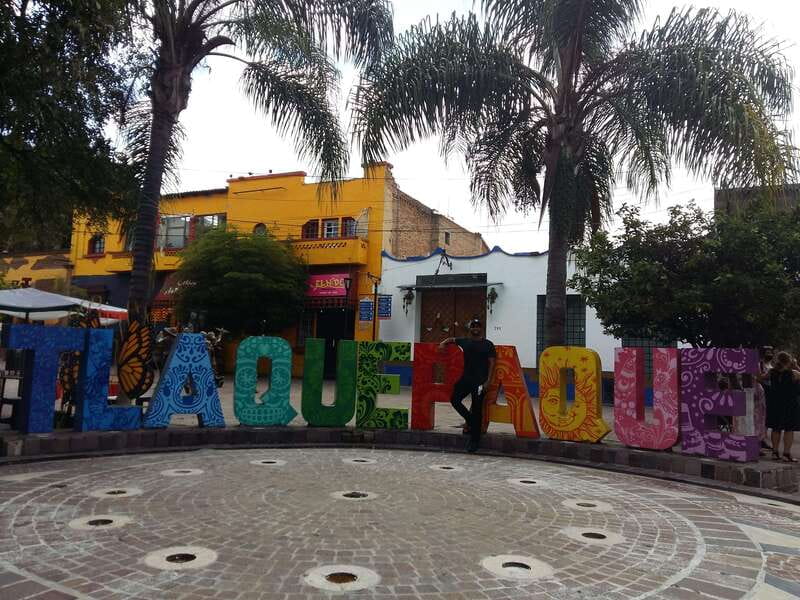
You’ll start at the big colorful letters of Tlaquepaque in the square. The meeting point sits by Plazoleta Springfield, right next to those letters, where you’ll also see statues of Miguel Hidalgo and representation of the people who fought for independence from Spain.
This is one of those “small things” that pays off. A clear meeting landmark means you can arrive, orient yourself quickly, and start enjoying the town without the usual awkward hunt for where the group gathers. It also sets the photo mood early—your guide will include time for taking a picture with the letters, so you’re not trying to squeeze it in later while everyone else is moving.
Practical tip: plan to arrive a few minutes early so you’re not rushing for the first photo.
Mariachi, folk dancers, and papel picado on a short, lively loop
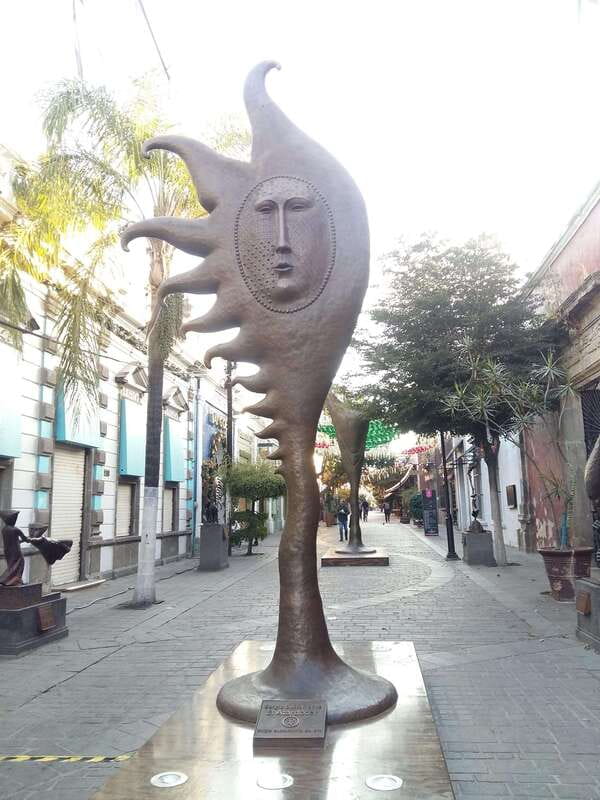
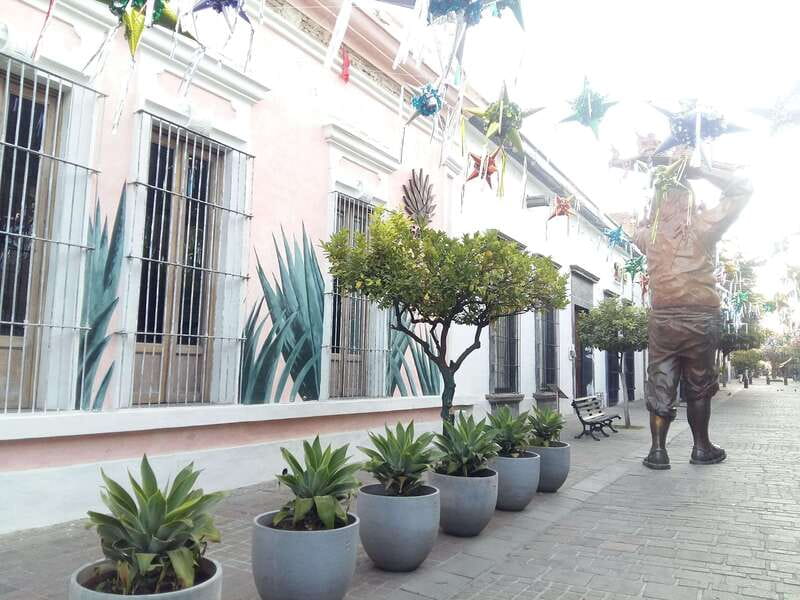
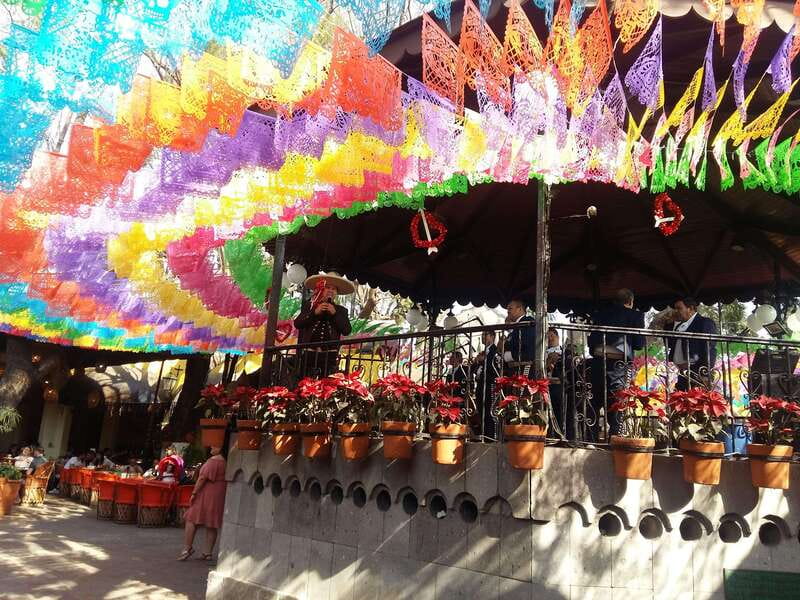
A big selling point of this experience is that it doesn’t treat culture as a distant museum exhibit. Instead, you’ll see where to enjoy mariachi, plus folklorical dancers and the paper-cut decorations (papel picado) that Mexico does so well.
In a tour that’s only about 90 minutes, the pacing matters. The goal isn’t to overwhelm you with dozens of stops—it’s to give you just enough context to understand why these performances belong in this town, and how they fit into the daily flow of Tlaquepaque. You get snacks included as well, which helps because you’ll be moving and looking for details.
If you love music, street life, or just the look of traditional festival-style décor, this section is the one that feels most alive. Even if you’re not chasing performances every day, you’ll walk away knowing where to find them when you come back later for your own time.
Two churches, one town: how class shaped worship spaces
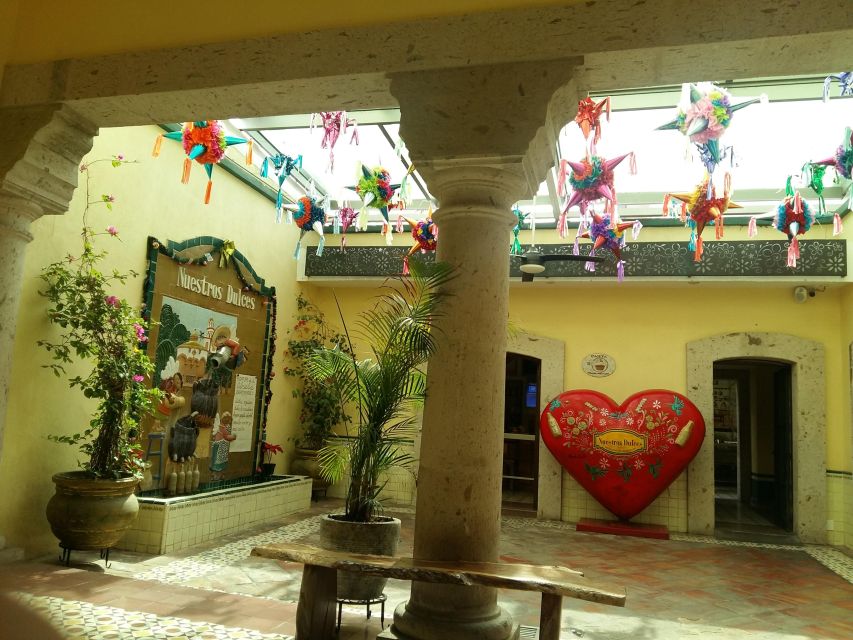
One of the more interesting parts of this tour is the visit to two churches, described as places the poor and rich used to attend service. That framing matters because it turns architecture into a clue about social life—who had access, who had choices, and how the town organized itself around those realities.
You’ll also get context that helps you read what you’re seeing. Without a guide, you can easily walk past churches as just pretty buildings. With a guide, you start noticing how the town’s story is written in the spaces—what changed over time, and what stayed visible in the layout and design.
This is also a good reminder that “pretty town center” and “real historical story” can be the same place. Tlaquepaque’s charm isn’t separate from its past.
Inside big houses: patios, fountains, and the architecture lesson
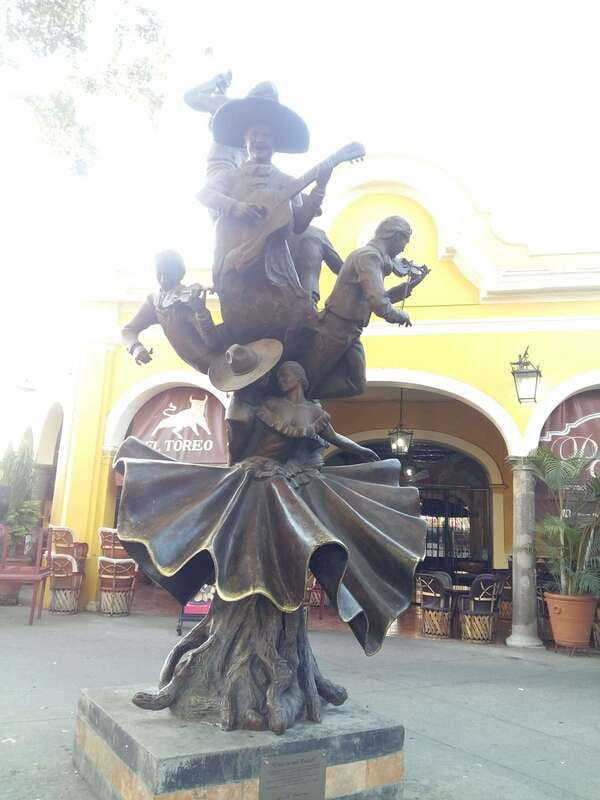
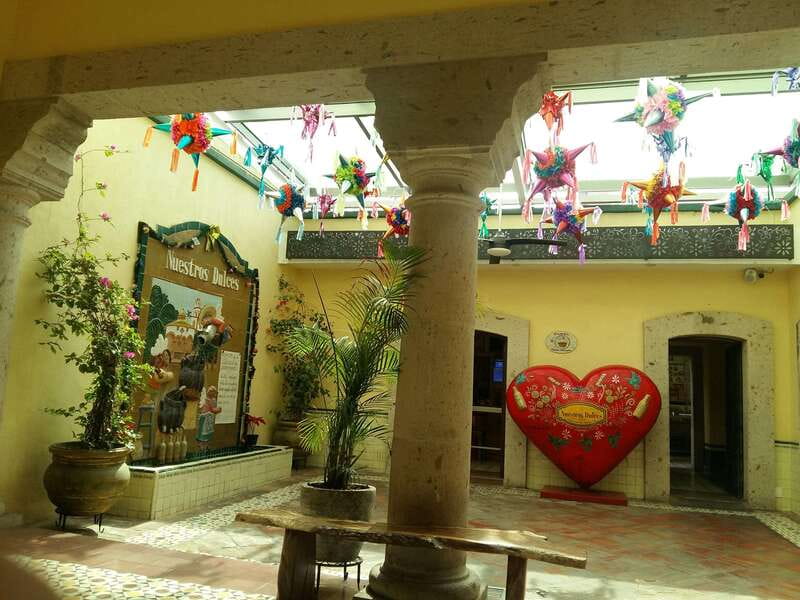
Tlaquepaque is famous for architecture that looks like it belongs in a postcard, but the best view comes when you’re inside. This tour includes time to go inside large historic houses featuring folklorical architecture, plus patios and fountains.
Why is that valuable? Because patios and water features aren’t just decoration. They show how people organized light, air, and daily life around inner spaces. When you stand in a place like that, you “get” the design choices instead of just seeing them from the sidewalk.
The guide also points out features tied to galleries and museum-style areas, so you’re not only walking through scenic rooms—you’re getting an explanation for what makes the spaces feel distinct. If you like design, details, and the feeling of old private spaces, you’ll probably want extra time later to browse nearby art stores and look at how the architecture influenced local craft.
Independence hero’s one-night stop: a quick historical anchor
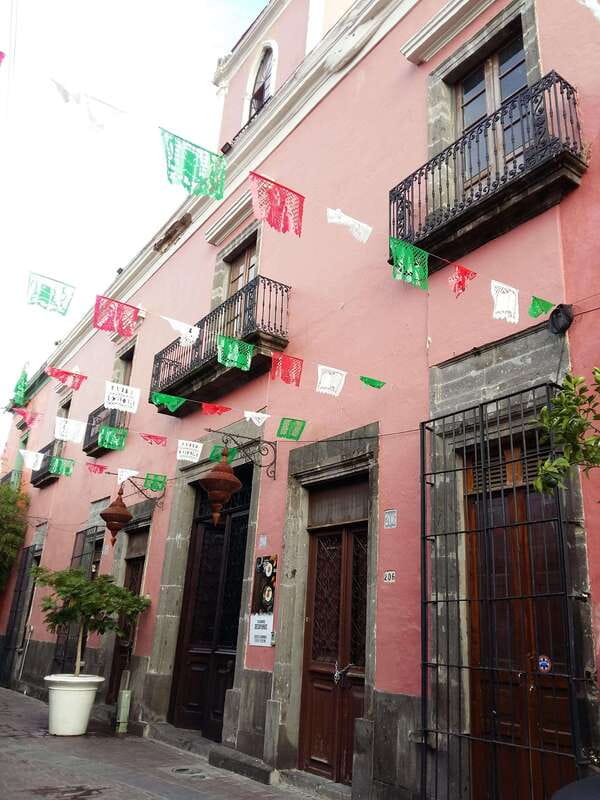
One stop in the tour highlights the spot where Mexico’s independence hero spent one night in Tlaquepaque. Even when a story is short, it gives your day a stronger anchor.
Think of it like this: when a town has tons of crafts and décor, it can blur into one long visual session. A history beat like this helps your brain store the visit as more than just pictures. It becomes a timeline—then suddenly the rest of the architecture and old-town atmosphere feels connected.
You don’t need a long lecture here. The tour keeps it moving, but you still get that “oh, that’s why this place matters” feeling.
Artisan galleries, the market area, and the Guinness record moment
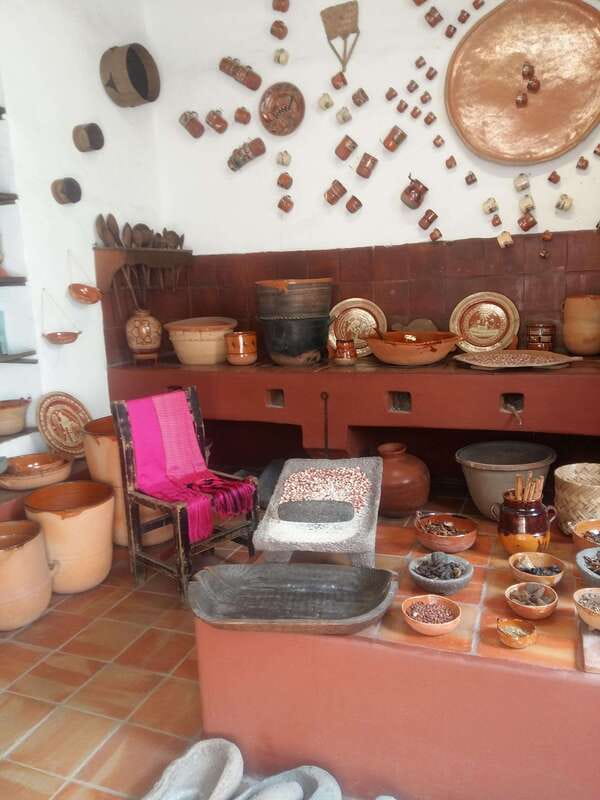
After the performance and church stops, you’ll shift toward art and making. You’ll walk through artisan stores, see galleries, and visit an arts-and-crafts market area.
There’s also a world Guinness record connected to Tlaquepaque included in the tour. The specifics aren’t spelled out here, but the important part is that your guide uses it as a conversation starter—why Tlaquepaque is known for something unusual, and how it fits into the town’s identity as a craft destination.
This section is where you can get strategic with your shopping. If you love regional crafts, you’ll learn what to look for while you walk. When a guide explains a piece or a local tradition, you’re better equipped to buy with confidence—less guessing, more knowing what you’re paying for.
If you’re on a budget, keep a simple rule: buy the best item you see, not the tenth item you scroll past. The tour includes enough stops to let you compare styles without turning your hour-and-a-half into a stress sprint.
Candy factory tasting: what you’ll see and what you’ll actually sample
Food and drink are woven into the tour, and the standout is the candy-focused stop. You’ll get an explanation of how some traditional candies and rompope drink are made. You’ll also enjoy a tasting as part of the experience.
This is a strong value point because you’re not just handed a snack. You’re shown the process, then you sample the result. That changes how you experience the flavor—it becomes a memory tied to craft and technique, not just something you ate because it was included.
For many visitors, the rompope-style drink is the “signature moment.” Even if you’ve tried something similar before, this tasting is more grounded because the guide explains the cultural role of the sweets and drinks, and you see the hands-on side of production.
If you have a sweet tooth, pace yourself. It’s easy to overdo it early, then regret it when the main walking street brings more tempting food options.
The photo-and-walk rhythm ends on the main street for food and shopping
To finish, you’ll walk to Tlaquepaque’s main walking street, where you can check out restaurants and art stores at your own pace. This is a smart way to end: instead of filling the whole time with stops, the tour gives you a guided overview, then hands you the freedom to choose what you want next.
Use that last stretch to do two things:
1) Pick one place to eat before you get decision fatigue.
2) Browse art stores with your new context in mind.
You’ll know what style you like by then—bright folk-inspired pieces, craft-focused shops, and galleries tied to the town’s artisan reputation. And because you’ve already seen key traditions and architectural highlights, shopping starts to feel intentional instead of random.
Price and time: is $32 for about 90 minutes worth it?
At $32 per person for a roughly 90-minute guided experience, this tour sits in the “good value” category, mainly because it includes more than a simple walking route. You’re paying for:
- guided storytelling (in English or Spanish),
- entry-style access to indoor historic houses and church visits,
- artisan-focused stops,
- and a candy factory tasting that includes both sweets and rompope-style drink explanation plus sampling.
The other practical value: skip the ticket line is listed, which matters because in small time windows every minute counts. If you’ve ever lost time waiting, you know why this feature feels worth it.
So who should see this? People who want a tight overview with standout cultural beats—music, folk performance, architecture, and food—without spending the whole day organizing stops. If you already know every museum and church you want to visit, you might feel this is too short. But if you want a first taste of Tlaquepaque with direction, it’s a strong use of time.
Who this tour fits best in Jalisco (and who might want a different plan)
This is ideal for you if:
- you love art and artisans and want a guided way to shop and understand what you’re seeing,
- you enjoy Mexican traditions like mariachi, folk dancing, and papel picado,
- you want architecture with context, not just photos,
- you like food tastings that come with a story and process.
It may be less ideal if:
- you want long stays inside each site and lots of independent wandering,
- you’re the type who hates scheduled moments and prefers fully free-form days.
One more thought: the tour is guided in English and Spanish, and the guide name Mayra comes up in strong feedback. That matters because language quality changes everything on small cultural tours. When the guide communicates clearly, you get more from each stop.
Should you book the Tlaquepaque Magic Town art and traditions tour?
I’d book it if you want a smart first visit to Tlaquepaque that mixes architecture, artisan browsing, traditional performances, and a real tasting with explanation. This tour is built for people who want the highlights without turning it into a homework project.
I’d skip (or pair with extra time) if you’re hoping for a long, slow day with deep museum time. For that, you’d do better adding your own wandering after the tour ends on the main walking street, so you can linger where you feel drawn.
FAQ
Where does the tour start?
The tour meets in the square at the big colorful letters of Tlaquepaque, next to Plazoleta Springfield, near statues of Miguel Hidalgo.
What is the duration of the tour?
The experience is listed as lasting 90 minutes.
How much does it cost?
The price is $32 per person.
What languages are the live tour guides available in?
Live guides are available in English and Spanish.
What does the tour include?
You’ll get a guided walking experience through Tlaquepaque’s history, traditions, culture, colorful decoration, artisan stores/galleries, visits connected to churches, and food/snack tastings including traditional candies and a rompope drink tasting.
Is there mariachi and folk dancing?
Yes. The tour includes time to enjoy mariachi and folklorical dancers, along with papel picado.
Are there photo stops?
Yes. The tour includes time to take a picture in the big colorful letters of Tlaquepaque.
Does the tour include access to indoor locations?
Yes. You’ll go inside big historic houses with patios and fountains and also visit galleries/museum areas connected to those spaces.
Can I cancel and get a full refund?
Free cancellation is available up to 24 hours in advance for a full refund.