REVIEW · JACKSONVILLE
Jacksonville Residential Architecture & History Tour
Book on Viator →Operated by Go Tuk’n · Bookable on Viator
Jacksonville changes fast on this ride. This Jacksonville Residential Architecture & History Tour uses a tuk-tuk to connect two neighborhoods to a bigger story, then ends with Memorial Park overlooking the river. I like that you get architectural details you can actually spot from the street, and I like the human scale of it—small groups, a certified guide, and plenty of time to look around without rushing.
One possible drawback: this is architecture-forward. If you want a strict, deep timeline lesson for every era, you might wish the history went even further.
The vibe is friendly and focused, too. I’ve found that a guide like Toni (a name that comes up often) can make house styles and street patterns feel understandable instead of academic, and the tour’s audio setup makes it easier to follow along as you move.
In This Review
- Key Takeaways Before You Go
- Reading Jacksonville’s Homes in Riverside and Avondale
- The Tuk-tuk Ride: How You’ll Actually Enjoy the Architecture
- Stop 1: Riverside/Avondale Historic District and the 1901 Rebuild
- A quick note on residents and the vibe
- Stop 2: Memorial Park, WWI Remembrance, and St. Johns River Views
- Guide Style, Audio Headsets, and the Small Details That Matter
- Tip: plan for quiet concentration
- Price and Value: Is $96.39 Worth It?
- Who Should Book This Tour (and Who Might Skip It)
- Should You Book? My Practical Verdict
- FAQ
- How long is the Jacksonville Residential Architecture & History Tour?
- What does the tour cost?
- What neighborhoods and sites are included?
- How does the audio headset work?
- Where is the meeting point?
- What is the cancellation window?
Key Takeaways Before You Go
- Two neighborhoods, one clear theme: Riverside/Avondale plus Memorial Park, with architecture at the center.
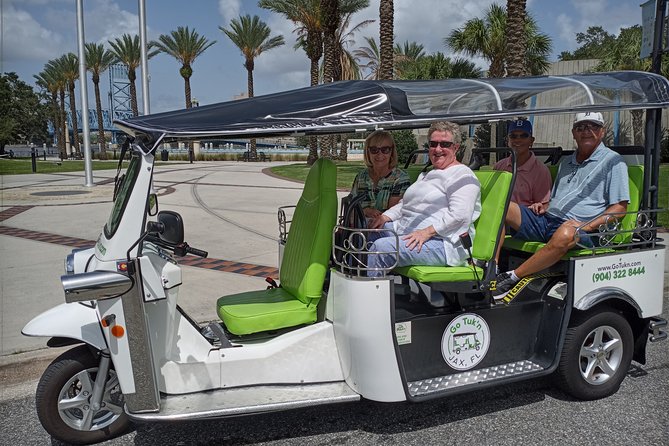
- Tuk-tuk transport with lots of sightlines: you’re riding and looking, not stuck listening while parked.
- Audio headsets to keep things moving: wired ear buds with disposable tips, provided for you.
- Small group size: capped at 18 travelers, which helps the experience feel less crowded.
- Memorial Park views after the walking: WWI remembrance paired with St. Johns River scenery.
Reading Jacksonville’s Homes in Riverside and Avondale
If you only stick to downtown, you miss a big part of Jacksonville’s personality. This tour is built around residential neighborhoods where you can see how the city rebuilt and re-styled itself over time. Riverside and Avondale are especially good for that because the streets give you a walkable “before-and-after” feeling—older homes, park systems, and newer development all sharing the same block.
A key detail the guide brings up is the 1901 fire, which destroyed much of downtown. After that kind of disruption, cities don’t just rebuild buildings—they reshape neighborhoods, priorities, and even the look of what people choose to live in. On this tour, you’re not just seeing pretty houses. You’re learning how Jacksonville grew outward and how communities formed as the city restarted.
And then there’s the extra cultural thread: the area is connected to Southern Rock roots, so you’ll hear how music history ties into these neighborhoods, not just the stage lights. It adds color when you’re looking at homes and storefronts—suddenly the blocks feel like places where stories began, not just places to photograph.
You can also read our reviews of more tours and experiences in Jacksonville.

The Tuk-tuk Ride: How You’ll Actually Enjoy the Architecture
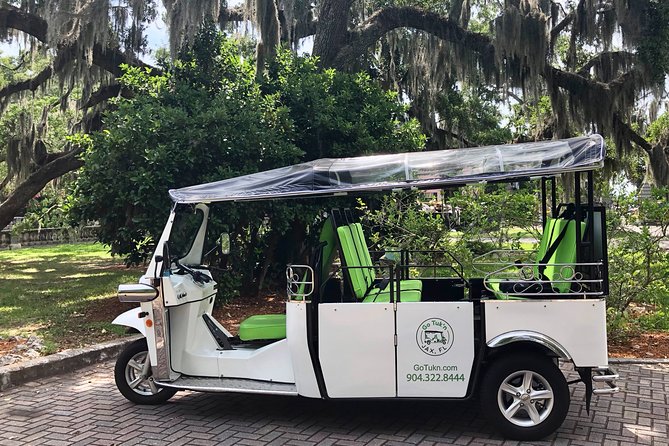
Let’s be honest: architecture tours can turn into slow bus rides where you stare through windows. This one tries to avoid that. You’ll explore Jacksonville by tuk-tuk, so you’re moving at a pace where you can watch details come into view—porches, rooflines, entryways, and the overall “personality” of different home styles.
The practical benefit is that you’re not doing everything on foot. That matters when you’re combining residential streets with a park stop. It also helps if you want the city’s layout without burning your legs early. You’ll still have moments to pause and really look, but the tuk-tuk keeps the tour from dragging.
Also, the group stays small (maximum 18). That helps in two ways: you can hear the guide more clearly, and the driver can adjust when the group wants to look at something specific.
Stop 1: Riverside/Avondale Historic District and the 1901 Rebuild
Your first real focus is the Riverside/Avondale Historic District, a pair of neighborhoods known for parks, historic homes, and the kind of local shopping streets you’d happily return to later for lunch. This stop is where the architecture education does most of its work, and it’s also where you get the sense of Jacksonville as a city of neighborhoods rather than one central core.
Here’s what makes this portion worth your time: you’re not being told to memorize styles from a textbook. The guide points out how those styles show up in real buildings—how different eras leave fingerprints on facades, front doors, and general design choices. One theme that comes up in the tour experience is the contrast between older, historic-looking residences and newer development. That contrast is the story: the city didn’t freeze in time.
Expect the route to include some standout visual surprises. Based on what’s been shared about the experience, you may catch the look of homes designed with a Tudor-like feel—sometimes compared to Hampton Court–style architecture and Henry VIII vibes. Even if you’re not an architecture nerd, that kind of reference makes it easier to understand what you’re seeing.
And because the neighborhoods have their own rhythm—trees, parks, and walkable pockets of activity—you’re not just staring at buildings. You’re also seeing how people live around them. That’s a big reason this tour works better than a pure driving montage: the streets add context.
A quick note on residents and the vibe
Residential neighborhoods can be sensitive. This tour keeps the focus on sightseeing without making it awkward. You get the chance to admire exteriors and public areas while keeping your distance from private spaces.
If you’re the type who loves architecture details—trim, roof shapes, entryway design—this first stop is where you’ll feel most satisfied.
Stop 2: Memorial Park, WWI Remembrance, and St. Johns River Views
After the neighborhood storytelling, you shift to a quieter, more reflective stop: Memorial Park. This park is dedicated to Jacksonville’s WWI fallen community members, and it’s also one of those places that gives you a wider view of the city’s setting.
The big payoff here is the combination of meaning and scenery. Memorial Park overlooks the St. Johns River, so you get a natural “breather” after hours of street-level architecture. It’s not just a break for your legs. It changes the mood of the tour—more about remembrance and place than about house styles.
Even if you’re mostly here for architecture, this park stop is a helpful counterbalance. It keeps the tour from feeling like a single-note crawl. And it’s a nice reminder that neighborhoods and buildings sit inside a bigger geography, including the water that shapes Jacksonville.
Based on how people describe the experience, you may find the park stop short compared to the neighborhood portion. Still, it’s a worthwhile punctuation mark: you end with views, context, and something to think about.
Guide Style, Audio Headsets, and the Small Details That Matter

A tour like this lives or dies on the guide. The experience you’ll get is clearly shaped by certified tour guides, and the name Toni shows up in a way that suggests she’s a standout performer—engaging, passionate, and able to turn architectural observations into something you can follow without effort.
You’ll also have audio support. The tour includes audio tour headsets with wired ear buds and disposable ear tips. Important practical detail: the ear buds are not Bluetooth enabled. So if your day usually involves wireless listening, you’ll want to plan on using what they provide.
The headset setup matters because you’re moving through residential areas. Hearing the guide clearly while you’re walking and looking makes a difference, especially when the guide is pointing out small architectural features.
If you’re sensitive to sound, this kind of headset system is usually easier than shouting across a group. And because the headsets are included, you don’t have to think about bringing anything extra beyond your own comfort items.
Tip: plan for quiet concentration
This is the kind of tour where pausing matters. If you treat it like a photo sprint, you’ll lose some of the architecture details. Give yourself permission to slow down when the guide calls out something specific.
Price and Value: Is $96.39 Worth It?
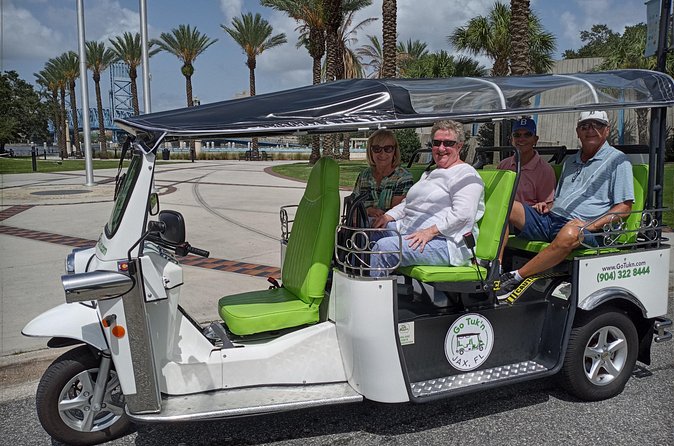
At $96.39 per person for about 2 hours 30 minutes, you’re paying for three things: guided architecture interpretation, tuk-tuk transportation, and the audio headset system. You’re also getting a combined route—two neighborhood-focused segments plus a park stop—rather than just driving past a few highlights.
Is it a budget tour? Not really. But it’s not priced like a luxury vehicle excursion either. The value comes from how the time is used. The small group size (max 18) and the structured stops help you feel like you’re doing something specific, not just riding around.
Also, it’s booked around a week ahead on average (about 8 days). That’s a sign it fills, likely because people want a guided way to understand Jacksonville’s neighborhoods. If you’re serious about going, I’d treat it as something to plan ahead rather than something to hope for last minute.
And if you care about how a city blends the old and the new, Riverside and Avondale are a strong match. You’re not paying just for houses—you’re paying to understand why those houses exist and what shaped the look of the area.
Who Should Book This Tour (and Who Might Skip It)
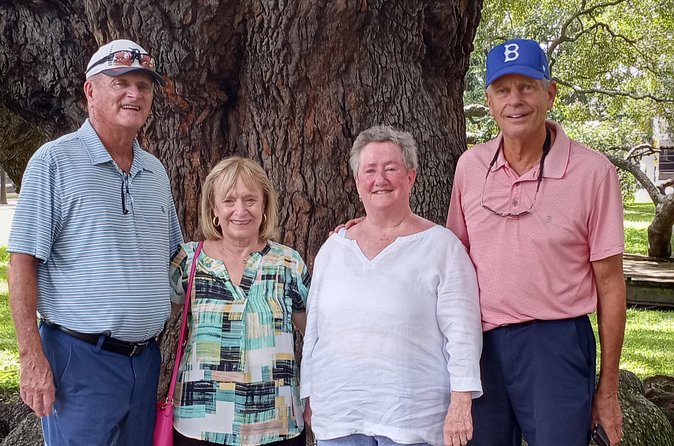
This Jacksonville Residential Architecture & History Tour fits best if you like:
- neighborhood walking and street-level seeing
- architecture details you can recognize on your own after the tour
- a guide who can connect buildings to bigger city events (like the 1901 fire)
- an ending that includes river views and a WWI memorial
You might consider a different tour if:
- you want a very detailed, date-by-date history lecture
- you’re only interested in heavy downtown landmarks and nothing else
One thing I like about the format is that it’s easy to enjoy even if you’re not an architecture superfan. The guide’s job is to translate design into something you can understand while you’re looking.
Should You Book? My Practical Verdict
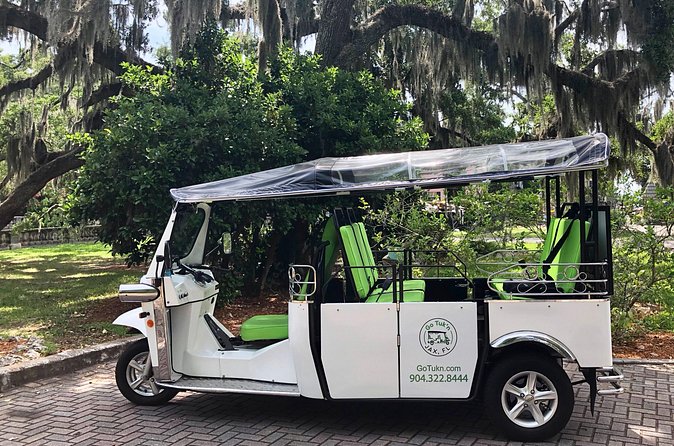
I’d book this tour if you want the fastest way to understand Jacksonville’s neighborhood identity—especially if you enjoy seeing architectural styles up close and learning how a city’s major events shape where people live. The tuk-tuk format keeps it fun and mobile, and Memorial Park gives you a meaningful, calm ending with St. Johns River views.
If you’re on the fence, here’s a simple test: do you like reading the story of a place through its buildings and streets? If yes, you’ll probably walk away feeling like you can spot the city’s layers next time you’re out on your own.
FAQ
How long is the Jacksonville Residential Architecture & History Tour?
It runs about 2 hours 30 minutes (approx.).
What does the tour cost?
The price is $96.39 per person.
What neighborhoods and sites are included?
You’ll explore Riverside/Avondale Historic District and visit Memorial Park for WWI remembrance and river views.
How does the audio headset work?
The tour includes audio tour headsets with wired ear buds. Disposable ear tips are provided, and the ear buds are not Bluetooth enabled.
Where is the meeting point?
The tour starts at 249 Parker St, Jacksonville, FL 32202, USA, and it ends back at the meeting point.
What is the cancellation window?
You can cancel for a full refund if you cancel at least 24 hours in advance of the experience start time.